Cute Cat Line Art Pack
First Impressions: Minimalist Charm, Not Just Cuteness
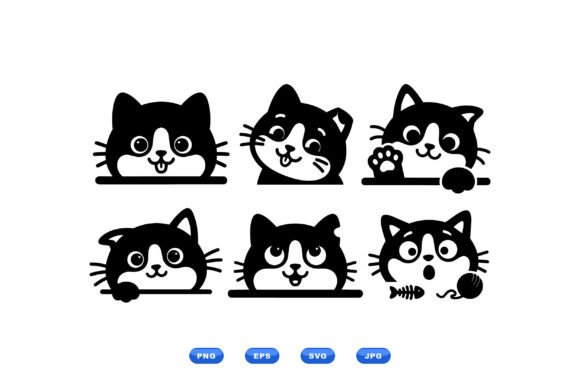
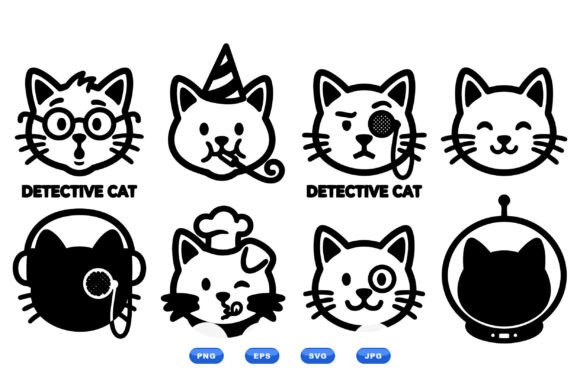
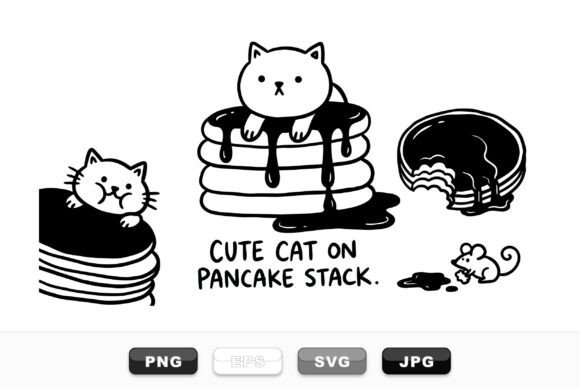
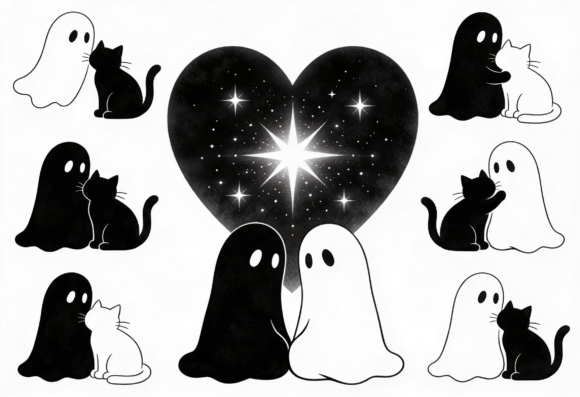
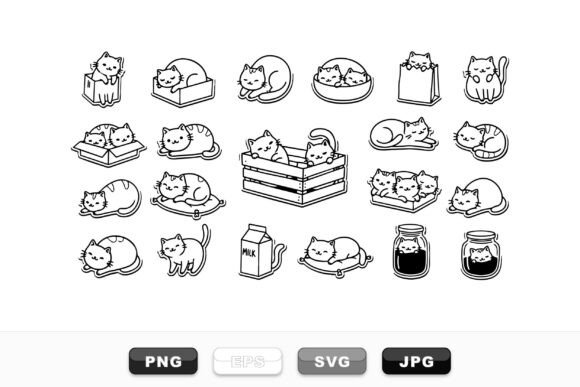
Opening the Cute Cat Line Art Pack feels like flipping through a quiet sketchbook—clean, intentional, and refreshingly uncluttered. These aren’t cartoon cats with exaggerated eyes or busy patterns. They’re line art vectors of cats curled in boxes, tucked into jars, lounging on cushions, or dozing mid-stretch. The minimalist style means no shading, no gradients, no thick outlines—just confident, fluid strokes that suggest form, weight, and personality with economy. That’s exactly what makes this pack promising for embroidery: it translates well to stitch without demanding excessive density or complex layering.
A Real-World Test: Embroidering a Linen Kitchen Towel
I pulled one of the smaller jar-cats (the one with paws just visible over the rim) and digitized it as a running stitch outline for a 5x7 hoop—intended for a set of linen tea towels sold in my small shop. Why this design? Because linens are unforgiving: loose weave, subtle texture, and frequent washing demand clarity, not fuss. The Cute Cat Line Art Pack delivered. At 3.2" wide, the cat read clearly even at low stitch count. No fill stitches needed—just a clean, continuous running stitch path that traced the line art faithfully. Customers loved how it looked “hand-drawn” but held up perfectly after three rounds of hot washes. That’s the sweet spot: designs that feel personal *and* professional.
Where It Shines (and Where It Needs Thought)
This pack works beautifully for:
- Custom apparel — especially on structured fabrics like canvas tote bags, cotton sweatshirts, or denim jackets. The box-cats hold shape well under moderate stretch.
- Baby embroidery — soft sleeping poses on onesies or burp cloths read gently, without visual noise. No tiny details to snag or unravel.
- Embroidered patches — the crisp outlines digitize cleanly into satin-stitched borders, and the open negative space between lines prevents thread buildup.
- Holiday and boutique gifts — think pillow covers for a nursery, aprons for a baker friend, or cap brims for a pet-themed gift set. The mood is warm, timeless, and quietly joyful—not seasonal or trendy.
But be thoughtful about these contexts:
- Small hoop sizes (under 4") — some jar and crate outlines include fine interior lines (like lid seams or cushion folds). They’ll simplify well—but test first. A 2.5" version of the crate-cat lost leg definition on thin cotton.
- Textured or dark fabrics — the line art relies on contrast. On charcoal terry cloth or bouclé knit, I added a light stabilizer backing *and* switched to ecru thread instead of white. It kept the delicacy intact.
- Curved surfaces like caps — avoid designs with long horizontal lines (e.g., the cushion-cat’s base edge). They distort slightly when hooped tightly. Opt instead for centered, vertically oriented poses.
- Frequent-wash items — while line art is inherently durable, very thin strokes (<0.8mm vector width) may need slight stroke expansion during digitizing for longevity on towels or baby bibs.
What It Does for Your Craft Business
As an Etsy seller and small shop owner, I judge design assets by three things: does it elevate the finished product, support brand consistency, and reduce customer questions? The Cute Cat Line Art Pack scores high on all three.
It adds handmade appeal without looking amateurish—critical when pricing embroidered goods at $45–$85. Customers notice the restraint: no overworked fills, no competing elements. That subtlety builds trust. It also scales gracefully across product types: same cat, stitched at 2" on a patch, 4.5" on a tote, and 1.8" on a baby onesie—all feel intentional, not resized.
For digital product sellers, these vectors are ideal for printable mockups or layered design kits. Since they’re SVG/EPS, you can recolor, resize, or combine them with typography without quality loss—making them strong design assets for craft business branding or social media templates.
Practical Notes from the Hoop
Before stitching your first Cute Cat Line Art Pack project:
- Test on scrap fabric first — especially if using textured weaves, knits, or dark backgrounds. Linen, chambray, and French terry all behave differently with fine line work.
- Check thread color contrast — this isn’t a design that forgives muddy tones. Try black thread on oatmeal linen, or navy on cream cotton—it sings. Avoid heather greys unless you’re pairing with a bold thread.
- Review stitch density — since these are line art vectors (not pre-digitized embroidery files), your digitizer—or your own software—must honor the simplicity. Avoid adding unnecessary fill or satin layers where the original has open space.
- Confirm hoop size and stabilizer — lightweight cutaway works best for stable fabrics; tear-away + topping for knits. Skip heavy stabilizers—they’ll mute the line’s lightness.
- Inspect small details digitally — zoom in on vector paths before digitizing. Some corners are sharp; others taper. Adjust stitch start/stop points accordingly to avoid “jump” marks.
- Test black-and-white mockups — if you’re selling digitally or listing on Etsy, grayscale previews tell you instantly whether the silhouette reads clearly without color crutches.
- Verify licensing — the pack is labeled for Crafts and Graphics use, but confirm whether commercial embroidery rights (i.e., selling finished embroidered products) are included. When in doubt, reach out to the creator before launching a batch of cat-towel bundles.
Final Thought: Less Is Legible
In a market flooded with dense, glitter-heavy embroidery files, the Cute Cat Line Art Pack stands out by doing less—and doing it with confidence. It doesn’t shout. It invites. It fits naturally into real lives: a sleepy cat on a baby blanket, a curious one peeking from a jar on a kitchen towel, a contented one nestled in a crate on a boutique apron. That’s the mark of strong design—not novelty, but resonance. If your craft business values clarity, calm, and quiet craftsmanship, this pack earns its place in your embroidery library. Just remember: respect the line, honor the fabric, and let the cats rest where they belong.