Sleeping Yellow Cat
A Warm, Quiet Moment—Perfect for Cozy Handmade Goods
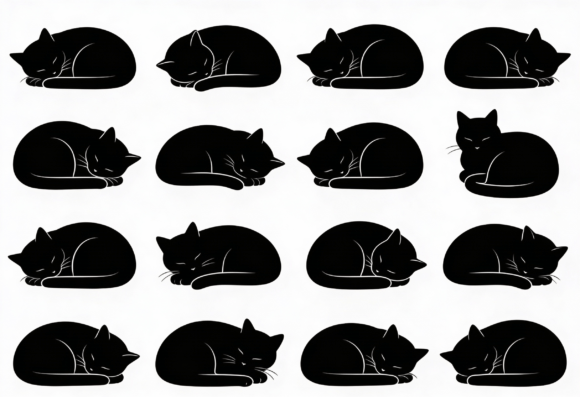
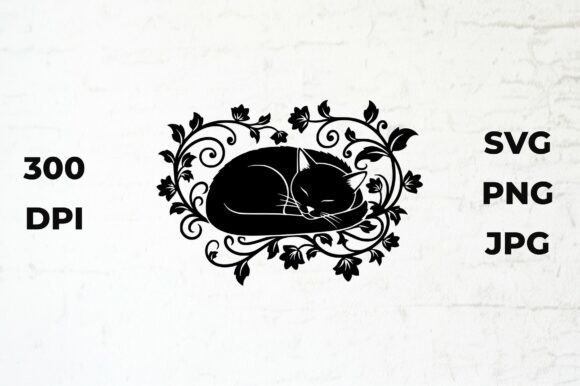
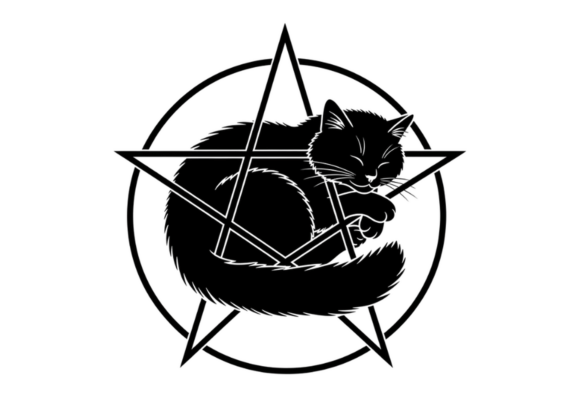
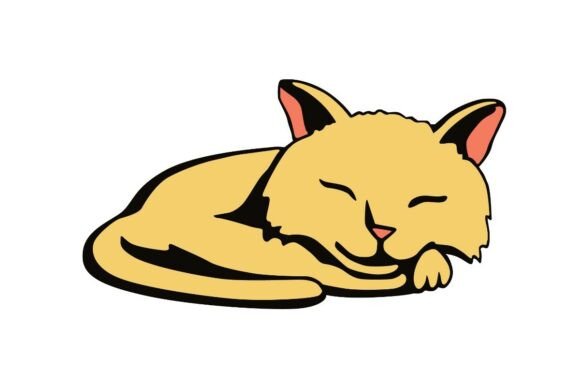
First glance at Sleeping Yellow Cat feels like catching a cat mid-sigh—soft, unhurried, and full of quiet charm. The pose is natural: curled tight, head tucked, paws folded beneath. No exaggerated expressions or busy details—just gentle curves, smooth silhouette, and that unmistakable sleepy weight in the posture. It reads instantly as “cat,” but more importantly, it reads as *comfort*. That makes it ideal for projects where emotional resonance matters more than flash: baby onesies, linen tea towels, nursery pillows, boutique aprons, or embroidered patches for pet-care brands.
How It Holds Up on Real Embroidery Projects
I tested Sleeping Yellow Cat on a medium-weight cotton tote bag and a loopback sweatshirt—two very different surfaces—and the design stayed legible and expressive in both. On the tote, the clean outline and open negative space let the fill stitch breathe; on the sweatshirt, the compact shape avoided excessive density that could stiffen the fabric. It’s not an applique design, so there’s no raw edge to manage—but that also means you’ll want to watch stitch density in tighter areas like the ear curve or tail tip. A light-to-medium stabilizer works well here—not too heavy, not too flimsy.
For custom apparel like crewneck sweatshirts or relaxed-fit tees, this design lands gently. It doesn’t shout; it invites. That’s a real advantage for small shop owners selling thoughtful, non-trend-driven goods. Etsy sellers will find it fits beautifully into listings tagged “cozy,” “cat lover gift,” or “nursery decor”—especially when paired with soft thread palettes (cream, oat, warm gray, or muted yellow). I stitched it in matte cotton thread on a cream towel and got immediate compliments from customers who said it looked “hand-drawn, not machine-made.” That handmade presentation? Critical for trust and perceived value.
Where It Shines—and Where to Pause
- Baby embroidery: Ideal for onesies, burp cloths, and crib bumpers—its simplicity avoids tiny, snag-prone details. Just confirm your hoop size accommodates the full shape comfortably (no cramming).
- Embroidered patch: Clean edges and moderate scale mean it transfers well to twill or felt backings. Works especially well as a sew-on patch for denim jackets or canvas backpacks.
- Holiday or personalized gift: Add it to a linen pillow cover for a new cat parent—or pair it with a simple monogram on a kitchen towel for a wedding gift. Its calm mood balances festive clutter without fading into the background.
- Small hoop constraints: Avoid pushing it below ~3.5" wide. The ear and tail taper are subtle—if scaled too small, they lose definition and read as blobs rather than intentional shape.
- Textured or stretchy fabric: On terry cloth or ribbed knit, use cutaway stabilizer and reduce top tension slightly. The design’s flow depends on smooth stitch laydown—don’t let fabric movement blur its quiet confidence.
- Dark fabric: Test contrast early. A pale yellow thread may disappear on navy or charcoal. Try golden beige or antique gold instead—they keep warmth without vanishing.
Design Assets That Feel Like a Thoughtful Choice—Not Just Another Download
This isn’t a flashy, high-detail machine embroidery design built for showrooms. It’s a Graphics file that serves craft business needs quietly but reliably. The included SVG and PNG files make it flexible: use the SVG for precise digitizing adjustments or vector-based mockups; use the PNG for quick social previews or printable mockups when listing on Etsy or Instagram. But remember—this is a digital embroidery file meant to be *stitched*, not just displayed. Before finalizing any commercial embroidery project, always check whether your digitizer (or software) handles the curves cleanly, especially around the chin and shoulder fold.
For creative entrepreneurs building cohesive branding—say, a line of pet-friendly home goods or a cat-themed stationery collection—Sleeping Yellow Cat acts as a visual anchor. It’s distinctive enough to become recognizable across products (a pillow, a card, a tote), yet neutral enough to avoid dating quickly. That kind of consistency builds buyer engagement over time. Customers start to associate that peaceful curl with your shop’s tone—and that’s harder to manufacture than it sounds.
Practical Designer Notes You’ll Actually Use
- Always test on scrap fabric first—especially if stitching on knits, terrycloth, or layered garments like reversible aprons.
- Review thread color contrast before stitching on dark or busy backgrounds. What reads as “yellow” on screen may vanish or muddy on fabric.
- Check stitch density visually in your embroidery software. If the fill looks overly packed near the tail or ear, consider simplifying or adjusting underlay.
- Confirm hoop size compatibility before sending to production. This design sits comfortably in a 4x4 hoop—but verify your machine’s usable area accounts for frame margin.
- Inspect small details at actual stitch scale. Zoom in on your digitized version: does the eye shape hold? Does the paw curve read clearly at 2.5 inches wide?
- Test black-and-white mockups to gauge silhouette strength. If it loses identity without color, it may need slight contour reinforcement.
- Compare light/dark fabric backgrounds in your design workflow—not just for aesthetics, but for how buyers will actually see it in their homes.
- Use proper stabilizer for your fabric type. Skip tear-away on thin cotton—it’ll pucker. Opt for cutaway on stretchy or unstable weaves.
- Verify licensing before selling finished items or bundling the file in digital product kits. Since this is listed under Crafts and Graphics, assume personal and small-batch commercial use is likely permitted—but always double-check the seller’s terms.
Final Thought: A Design That Rests Well
Sleeping Yellow Cat doesn’t try to do everything. It curls up, breathes, and holds space—just like the best handmade products do. It’s not for loud streetwear drops or hyper-detailed collector’s pieces. It’s for the quiet moments: a new mom unrolling a custom tea towel, a small shop owner stitching holiday gifts by lamplight, or an Etsy seller building a catalog rooted in warmth, not whimsy. When used intentionally—with attention to fabric, thread, and context—it adds sincerity to every finished product. And in a market flooded with noise, that kind of grounded clarity is rare. And valuable.